

Feeling low once in a while is part of life, but it can be harder to know what is happening when sadness, low energy, hopelessness, or a lack of enjoyment seems to stay for months or even years. Some people continue working, studying, caring for family, and completing everyday responsibilities while quietly feeling as though they have never fully felt well. This long-term pattern may be related to Persistent Depressive Disorder (PDD), which was previously called dysthymia. In adults, PDD involves a chronic pattern of depressive symptoms lasting at least two years. A dysthymia self-test cannot give you a medical diagnosis, but it can help you recognize whether your symptoms form a pattern that deserves a professional mental health evaluation.
Dysthymia Self-Test: Do Your Symptoms Fit a Persistent Pattern?
A useful dysthymia self-test should look beyond whether you feel sad today. Persistent Depressive Disorder is defined partly by how long symptoms have been present, so the bigger question is whether low mood and related problems have become a lasting part of daily life. Think about your usual emotional state over months and years rather than one difficult week. Pay attention to mood, sleep, appetite, energy, self-esteem, concentration, outlook, and daily functioning.
Before You Start: This Is a Self-Check, Not a Diagnosis
An online depression screener or self-assessment can help identify symptoms that may need further attention, but it cannot confirm Persistent Depressive Disorder. Depression questionnaires are screening tools. A professional diagnosis requires a broader clinical assessment that considers your symptoms, medical history, duration of symptoms, daily functioning, medications, physical health, and other mental health conditions. MedlinePlus notes that depression screening can help identify symptoms or risk, but additional evaluation is needed to determine whether someone actually has depression and what type it may be.
Persistent Depressive Disorder Self-Check Questions
Read each question and think about what has been typical for you over a long period. There is no score below that confirms PDD, and you should not use a certain number of “yes” answers as a diagnosis.
- Mood: Have you frequently experienced sadness, an empty feeling, persistent low mood, or irritability over a long period?
- Duration: Has this low mood continued for around two years or longer, even if some days have been better than others?
- Energy: Do you regularly experience fatigue, tiredness, low energy, exhaustion, or reduced motivation?
- Sleep: Do you often have insomnia, difficulty falling or staying asleep, poor sleep quality, or excessive sleeping?
- Appetite: Have poor appetite, appetite loss, overeating, or other lasting changes in eating habits become part of the pattern?
- Self-esteem: Do you frequently struggle with low self-esteem, low self-worth, feelings of inadequacy, or harsh self-criticism?
- Concentration: Do you have trouble focusing, thinking clearly, remembering information, or making everyday decisions?
- Outlook: Do you regularly feel hopeless, pessimistic, helpless, or convinced that things are unlikely to improve?
- Daily life: Have these symptoms made work, school, relationships, household responsibilities, social activities, or normal routines more difficult?
Sleep problems, appetite changes, low energy, poor self-esteem, trouble concentrating or making decisions, and hopelessness are among the key symptom areas clinicians consider when evaluating PDD.
What Do Your Answers Mean?
One “yes” answer does not mean you have dysthymia, and several “yes” answers still cannot establish a diagnosis. What matters is the overall pattern: how long the symptoms have lasted, how often they occur, how much distress they cause, and how they affect your ability to function. Similar symptoms can also occur with Major Depressive Disorder, bipolar disorder, anxiety, sleep disorders, thyroid problems, anemia, medication side effects, substance use, and other health conditions.
If persistent low mood has become part of everyday life, a professional psychiatric evaluation can help clarify what is happening. Clearview Behavioral Health & Wellness Services provides psychiatric care in Braintree, Worcester, and across Massachusetts, including mental health evaluation, depression treatment, medication management, counseling, and secure telepsychiatry appointments.
What Is Persistent Depressive Disorder, Formerly Called Dysthymia?
Persistent Depressive Disorder, usually shortened to PDD, is a depressive disorder marked by a long-lasting pattern of depression symptoms. Dysthymia or dysthymic disorder is the older name that many patients still recognize and search for. The key feature is persistence. Rather than describing a brief period of sadness, PDD involves depressive symptoms that continue for a prolonged period. The National Institute of Mental Health states that a diagnosis involves a combination of depressive symptoms lasting two years or more.

PDD is sometimes described as chronic or long-term depression, but it should not be dismissed as simply “a little depression.” The effect on daily life can vary greatly. Some people experience relatively mild impairment, while others experience moderate or serious problems with work, relationships, household responsibilities, and social life. NIMH data on adults with PDD found varying levels of functional impairment, including serious impairment in a substantial portion of people studied.
What Can Dysthymia Feel Like in Everyday Life?
PDD can be difficult to recognize because the symptoms may develop gradually and become familiar. A person might think, “I have always been this way,” rather than seeing the pattern as a possible depressive disorder. Someone may get out of bed, go to work, talk with coworkers, care for children, and complete basic responsibilities while still feeling emotionally flat, tired, pessimistic, or disconnected from things they once enjoyed.
For some people, the experience is less about intense sadness every minute and more about a constant emotional weight. Motivation may feel low, enjoyable activities may require more effort, social contact may decrease, and the future may seem less hopeful. Because this pattern can last so long, people sometimes begin to treat low mood, negative self-image, or lack of energy as personality traits rather than symptoms worth discussing with a mental health professional.
Can You Have PDD and Still Function at Work or School?
Yes. Being able to work, study, parent, socialize, or maintain a household does not rule out Persistent Depressive Disorder. Mental health conditions exist on a range of severity, and outward functioning does not always show how much emotional distress a person experiences internally.
The phrase “high-functioning depression” is sometimes used informally for people who appear to manage normal responsibilities despite depressive symptoms. It is not a separate formal psychiatric diagnosis. A clinician looks at the person’s actual symptoms, duration, distress, functional impairment, and diagnostic criteria rather than whether they appear productive from the outside.
What Are the Main Signs and Symptoms of PDD?
PDD symptoms can affect more than mood, including energy, sleep, eating habits, thinking, self-confidence, motivation, and a person’s view of the future. The exact combination can differ from one person to another, which is why PDD cannot be identified through a single symptom. A long-term pattern involving several symptom areas is more meaningful than an isolated period of fatigue or sadness.
| Symptom area | What you may notice |
| Mood | Persistent sadness, low mood, emptiness, irritability, emotional distress |
| Energy | Fatigue, tiredness, exhaustion, low energy, reduced activity |
| Sleep | Insomnia, difficulty staying asleep, hypersomnia, excessive sleeping |
| Appetite | Poor appetite, appetite loss, overeating, changes in food intake |
| Self-image | Low self-esteem, poor self-worth, negative self-image, self-criticism |
| Thinking | Poor concentration, trouble focusing, brain fog, difficulty making decisions |
| Outlook | Hopelessness, pessimism, helplessness, negative expectations |
| Daily functioning | Low motivation, social withdrawal, reduced productivity, relationship problems |
Broader depressive symptoms can also include loss of interest or pleasure, sometimes called anhedonia, guilt, irritability, social withdrawal, memory difficulties, and reduced motivation. NIMH notes that depression can affect how someone feels, thinks, sleeps, eats, works, and handles normal daily activities.
The presence of fatigue or poor sleep alone does not mean someone has PDD. These symptoms are common in many mental and physical health conditions. Their significance becomes clearer when they occur together with a long-standing depressed mood and other depressive symptoms.
PDD vs. Major Depressive Disorder: What’s the Difference?
Persistent Depressive Disorder and Major Depressive Disorder (MDD) are both depressive disorders, so asking whether dysthymia is “depression” can be misleading. PDD is a form of depression. The more useful comparison is how its pattern differs from major depressive episodes. PDD is defined by its long-lasting course, while Major Depressive Disorder is diagnosed around major depressive episodes meeting specific symptom and duration requirements.
| Feature | Persistent Depressive Disorder | Major Depressive Disorder |
| Common name | PDD or dysthymia | MDD or major depression |
| General pattern | Chronic and persistent | Often occurs in episodes |
| Duration | At least 2 years in adults | Major depressive episode lasts at least 2 weeks |
| Severity | Can range in severity and impairment | Can also range from moderate to severe |
| Daily functioning | May continue despite chronic difficulty | May become significantly impaired during an episode |
| Major depressive episodes | Can occur during the long-term course | Central to MDD |
This distinction matters because someone who has felt mildly or moderately depressed for years may assume they cannot have a depressive disorder because they have never experienced one dramatic breakdown. PDD is defined by a sustained depressive course rather than by whether symptoms appear severe to other people. NIMH distinguishes major depression, which involves symptoms for at least two weeks, from persistent depressive disorder, which lasts much longer.
Can PDD Become More Severe?
Yes. The intensity of depressive symptoms can change over time, and a person with a long-standing depressive pattern may also experience periods when symptoms become considerably more severe. The older clinical phrase “double depression” has been used to describe a major depressive episode occurring in someone with longstanding dysthymia. It should not be treated as a separate current DSM-5-TR diagnosis.
A noticeable worsening of hopelessness, loss of interest, sleep problems, concentration, self-care, functioning, or thoughts about death deserves professional attention. Changes in symptom severity can affect treatment decisions and may also prompt a clinician to reconsider whether another depressive or mood disorder better explains the person’s experience.
Could Something Other Than PDD Be Causing Long-Term Low Mood?
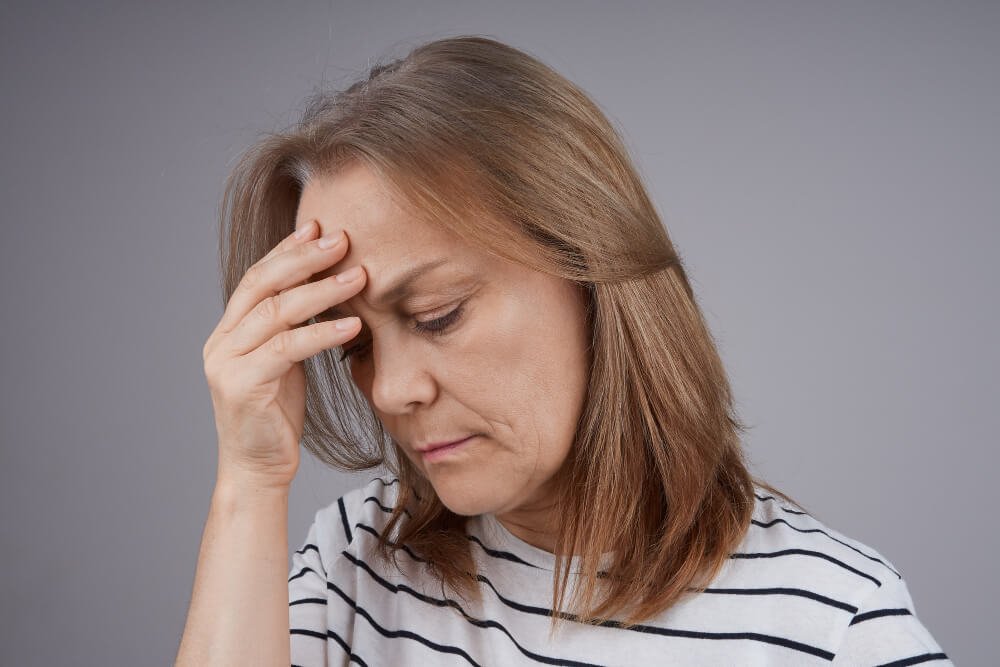
Yes. Long-term low mood does not automatically mean Persistent Depressive Disorder. Several psychiatric, medical, behavioral, and life-related factors can create symptoms that overlap with depression. A proper differential diagnosis means considering these other possibilities rather than assuming that a self-test result points to one condition.
Other Mental Health Conditions
Major Depressive Disorder can cause sadness, hopelessness, fatigue, poor concentration, sleep changes, appetite changes, and loss of interest. Bipolar disorder can also include depressive episodes, but the person’s history may include periods of mania or hypomania. People seeking anxiety disorder treatment may also report problems with sleep, concentration, energy, mood, and daily functioning, while adjustment-related symptoms can occur after major stress or difficult life changes.
This is one reason mental health professionals ask about more than depression symptoms during an evaluation. A person’s past mood changes, energy levels, behavior, trauma history, anxiety symptoms, substance use, and previous episodes can affect the diagnosis and treatment plan.
Physical Health Conditions
Certain health problems can contribute to symptoms that resemble depression. Hypothyroidism, for example, may cause fatigue, slowed thinking, low energy, and mood changes. Anemia, sleep disorders, chronic illnesses, pain conditions, and other medical problems may also affect physical and emotional wellbeing.
A clinician may therefore consider both mental and physical health instead of viewing low mood in isolation. Mayo Clinic notes that physical examinations and laboratory tests may be used when appropriate to investigate underlying health problems that may contribute to depressive symptoms.
Medications and Substance Use
Some medications may contribute to changes in mood, energy, sleep, or concentration. Alcohol and recreational drug use can also worsen depression symptoms or make an existing depressive disorder more difficult to treat. Substance withdrawal may produce mood changes as well.
During an evaluation, tell your healthcare professional about prescription medicines, over-the-counter products, supplements, alcohol, cannabis, and other substances you use. This information can help separate a primary depressive disorder from symptoms that may have another source.
Grief, Stress and Major Life Events
Bereavement, relationship difficulties, financial strain, chronic stress, serious illness, trauma, family problems, social isolation, or major changes at work or home can cause real emotional distress. Experiencing sadness after loss does not automatically mean someone has a depressive disorder.
What matters is the pattern, severity, duration, accompanying symptoms, and effect on daily functioning. A clinical interview can help determine whether emotional distress fits an expected response to circumstances, a depressive condition such as PDD or MDD, or another mental health concern.
How Is Persistent Depressive Disorder Diagnosed?
There is no single scan, blood test, or online questionnaire that can diagnose PDD. Diagnosis is based primarily on a clinical assessment. A healthcare professional evaluates the person’s mood, symptoms, duration, level of impairment, mental health history, medical history, and possible alternative causes. Psychological questionnaires may contribute useful information, but they are one piece of a larger evaluation.
What Does a Mental Health Professional Look For?
A psychiatrist, psychiatric nurse practitioner, psychologist, primary care doctor, or another qualified mental health professional may ask when your low mood started, whether symptoms have been continuous, how much they interfere with everyday life, and whether you have experienced major changes in symptom severity.
The clinical interview may also cover sleep, appetite, energy, concentration, self-esteem, hopelessness, previous depressive episodes, anxiety, trauma, substance use, family history, medications, physical illness, and any history suggesting mania or hypomania. This broader approach helps the clinician determine whether PDD, Major Depressive Disorder, bipolar disorder, another psychiatric condition, or a medical problem better explains the symptoms.
How Long Must Symptoms Last for PDD?
Duration is one of the central features of Persistent Depressive Disorder. For adults, depressed mood is generally present for much of the day over a period of at least two years. For children and adolescents, depressed or irritable mood may meet the duration requirement after at least one year.
The two-year threshold does not mean every day must feel exactly the same. Symptoms can fluctuate in intensity. What matters clinically is the long-term depressive pattern and whether the history meets the full diagnostic requirements.
How Does DSM-5-TR Fit Into a PDD Diagnosis?
The Diagnostic and Statistical Manual of Mental Disorders, Fifth Edition, Text Revision (DSM-5-TR) is the current edition of the diagnostic manual used by mental health professionals in the United States. It provides diagnostic criteria, duration requirements, conditions that should be ruled out, and other information clinicians use when evaluating mental disorders.
The American Psychiatric Association makes an important distinction: DSM diagnostic criteria are intended for trained professionals who apply clinical judgment. They are not intended to turn an online checklist into a self-diagnosis. That is why recognizing PDD symptoms can be useful while still leaving the final medical diagnosis to a qualified professional.
Can a Blood Test Diagnose Dysthymia?
No. A blood test cannot directly diagnose dysthymia or Persistent Depressive Disorder. Depression diagnoses are based primarily on clinical evaluation.
Blood testing may still have a role in the assessment. A healthcare provider may order tests when symptoms could have a physical cause. Thyroid testing, for example, may help identify hypothyroidism. MedlinePlus also notes that conditions such as anemia or thyroid disease may produce depression-like symptoms and can be investigated through medical testing.
Is a PHQ-9 the Same as a PDD Test?
No. The Patient Health Questionnaire-9 (PHQ-9) is a commonly used depression screening questionnaire, but completing a PHQ-9 does not by itself determine that a person has Persistent Depressive Disorder.
The PHQ-9 focuses on depressive symptoms and symptom severity over a recent period. PDD diagnosis also requires a clinician to look at the longer course of symptoms, including whether a chronic depressive pattern has persisted for years. Other screening tools include the Beck Depression Inventory and Hamilton Depression Rating Scale, but screening results still need clinical interpretation.
If you are experiencing persistent low mood in Braintree, Worcester, or elsewhere in Massachusetts, a psychiatric evaluation can help identify what may be contributing to your symptoms. At Clearview Behavioral Health & Wellness Services, we take time to understand your symptoms and history before discussing appropriate next steps, which may include counseling, medication management, ongoing psychiatric care, or telepsychiatry.
What Causes PDD and Who May Be at Higher Risk?
There is no single confirmed cause that explains every case of Persistent Depressive Disorder. Depression is generally associated with an interaction of genetic, biological, psychological, environmental, and social factors. NIMH notes that genetic, biological, environmental, and psychological factors can contribute to depression.
Family history may increase vulnerability to depressive disorders, while chronic stress, childhood adversity, trauma, social isolation, major loss, difficult relationships, serious illness, and previous mental health problems may also contribute to risk in some people. Sleep disruption and substance use can further affect mood and functioning.
These are risk factors, not guarantees. Someone can develop PDD without an obvious family history or traumatic event, while another person can experience several risk factors without developing the disorder. A professional assessment focuses on the individual’s history rather than trying to identify one event that “caused” the depression.
How Is Persistent Depressive Disorder Treated?
Persistent Depressive Disorder can be treated, although the right treatment plan depends on the individual. The two main clinical approaches are therapy and medication management, and some people receive both. Treatment decisions may depend on symptom severity, previous treatment response, other mental or physical health conditions, side effects, personal preferences, and how strongly symptoms interfere with everyday life.
Psychotherapy
Psychotherapy, also called talk therapy, gives a person a structured setting to work on thoughts, emotions, behavior, relationships, and patterns that may contribute to depressive symptoms. Cognitive Behavioral Therapy (CBT) is one approach that may be used for depression and PDD. It can help people identify unhelpful thinking patterns, develop healthier coping responses, improve problem-solving, and gradually increase behaviors connected with daily functioning and wellbeing.
Therapy may also address long-term self-criticism, low self-esteem, relationship difficulties, chronic stress, loss, or life experiences that continue to influence mood. The exact form and length of psychotherapy can vary, so treatment goals should be discussed with the mental health professional providing care.
Antidepressant Medication and Medication Management
Antidepressant medications may be considered for PDD depending on symptoms and individual needs. Medication classes used in depression treatment can include selective serotonin reuptake inhibitors (SSRIs), serotonin and norepinephrine reuptake inhibitors (SNRIs), and other antidepressants. Mayo Clinic notes that SSRIs, SNRIs, and tricyclic antidepressants are among medication categories used for PDD.
There is no single antidepressant that is automatically “best” for every person with dysthymia. A prescriber considers prior medication response, side effects, other medications, physical health, coexisting mental health conditions, and individual preferences. Medication management also includes monitoring response and side effects rather than simply writing a prescription and ending follow-up. Antidepressants should not be started, changed, or stopped without guidance from the prescribing clinician.
Can Therapy and Medication Be Used Together?
Yes. Psychotherapy and antidepressant medication may be used together when that approach fits the person’s symptoms and treatment needs. Some people may begin with psychotherapy, some may receive medication, and others may benefit from a combination.
Treatment should therefore be based on the person rather than a fixed formula. Follow-up is important because symptoms, treatment response, side effects, and life circumstances can change over time. Online medication management can also provide convenient psychiatric follow-up for appropriate patients who prefer secure remote appointments.
What Lifestyle Habits Can Support PDD Treatment?
Healthy routines can support professional treatment, but they should not be presented as a replacement for psychiatric or psychological care. Regular physical activity, consistent sleep, balanced meals, stress management, maintaining social contact, and reducing alcohol or recreational drug use may support mental and physical health.
Staying consistent with prescribed treatment is also important. Mayo Clinic recommends following the treatment plan, remaining physically active, getting adequate sleep, maintaining a healthy diet, staying connected with others, and avoiding alcohol and recreational drugs as supportive steps for people with PDD.
Professional care can work alongside healthy daily habits when PDD symptoms continue to affect your wellbeing. At Clearview Behavioral Health & Wellness Services, we work with patients to understand their symptoms and treatment goals, then develop an appropriate plan that may include counseling, medication management, psychiatric follow-up, and in-person or telepsychiatry appointments.
When Should You Seek Professional Help for Persistent Low Mood?
Consider talking with a mental health professional when low mood keeps returning, lasts for a long period, or begins interfering with how you live. You do not have to reach a point where you can no longer work or care for yourself before asking for help. Persistent emotional distress matters even when outward functioning remains intact.
An evaluation may be especially useful if you notice that low mood is affecting:
- Work or school performance
- Relationships with family or friends
- Motivation and enjoyment
- Sleep or eating habits
- Concentration and decision-making
- Energy and everyday activity
- Self-esteem
- Your ability to manage normal responsibilities
- Your expectations for the future
NIMH recommends professional help for significant or distressing mental health symptoms, especially when symptoms persist or interfere with usual activities.
Should You Wait Two Years Before Asking for Help?
No. The two-year period is part of the adult diagnostic framework for Persistent Depressive Disorder. It is not an instruction to wait two years before seeking mental health care.
Depressive symptoms that have lasted several weeks or months may still be clinically important even if they do not meet the duration required for PDD. Another form of depression, anxiety, trauma-related symptoms, bipolar disorder, a medical condition, medication effects, or another concern may be responsible. Earlier assessment can help identify the cause and determine whether treatment or follow-up is appropriate.
What If You Have Thoughts of Suicide or Self-Harm?
Suicidal thoughts, thoughts about death, urges to harm yourself, or feeling unable to stay safe require immediate attention. These symptoms should not be handled with an online dysthymia self-test or by waiting for a routine appointment.
In the United States, call or text 988 to reach the Suicide & Crisis Lifeline. If you are in immediate danger or believe you may act on suicidal or self-harm thoughts, call 911 or go to the nearest emergency department.
Persistent Low Mood Doesn’t Have to Become Your Normal
Living with low mood for a long time can make sadness, fatigue, poor concentration, low self-esteem, sleep problems, or hopelessness feel like an ordinary part of who you are. They may instead be signs of Persistent Depressive Disorder or another treatable mental health condition. A dysthymia self-test can help you recognize a pattern, but it cannot tell you why the symptoms are happening or provide a medical diagnosis.
If persistent depressive symptoms are affecting your quality of life, you do not have to determine the cause on your own. At Clearview Behavioral Health & Wellness Services, we help patients in Braintree, Worcester, and across Massachusetts understand ongoing mood symptoms through professional evaluation and individualized psychiatric care. Depending on your needs, treatment may include counseling, medication management, ongoing follow-up, or telepsychiatry. A proper assessment can help distinguish PDD from Major Depressive Disorder, bipolar disorder, medical causes, and other conditions so your care is based on a clearer understanding of what you are experiencing. Major depression treatment can then be tailored to the diagnosis, symptom severity, and individual needs identified during the evaluation.